He died carrying a secret weight that most children of presidents never speak aloud, let alone confront so publicly. Behind the patriotic speeches, the unwavering loyalty, and the fierce defense of his father’s name, Michael Reagan lived with wounds that never fully healed. His life story was not one of effortless privilege, but of deep contradictions: adoption shadowed by abandonment, love tangled with absence, abuse endured in silence, and a father whose public responsibilities often eclipsed private moments that mattered most. It is a story far more complicated—and far more human—than the image America usually associates with the Reagan name.
Michael Reagan entered the world as someone else’s child, only to become “Reagan” within hours of his birth. The name brought instant status, opportunity, and visibility, but it also came with a quiet, piercing loneliness that followed him into adulthood. As he grew up, he watched his father command rooms, captivate crowds, and rise steadily in public life, while at home Michael struggled to feel truly seen. The boy who learned he was adopted not from his parents, but from his sister, absorbed that knowledge as a silent fracture in his sense of belonging—one that no explanation ever fully repaired.
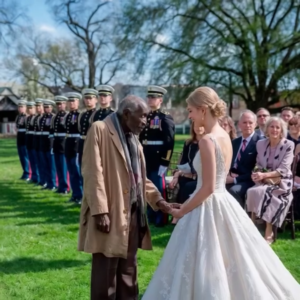
Those early feelings of displacement only deepened with time. Michael often found himself on the margins of his father’s life, competing with a demanding career and national ambition for attention. One moment would come to symbolize that distance more painfully than any other: his wedding day. While Michael stood at the altar beginning his own family, his father chose to attend another wedding instead. For Michael, it was not just a missed ceremony, but a confirmation of a lifelong fear—that he came second to duty, image, and expectation. It was a wound that lingered long after the vows were spoken.
Yet the pain he carried went even deeper than emotional neglect. Years later, Michael would reveal that he had been sexually abused as a child, a trauma he had buried for decades. Speaking about it publicly required immense courage, especially for someone whose family name symbolized strength, morality, and American optimism. By naming the abuse, he gave voice to a suffering so many endure in silence, stripping away shame by exposing it to the light. His honesty challenged the assumption that trauma cannot exist in powerful families—and that silence is the price of privilege.