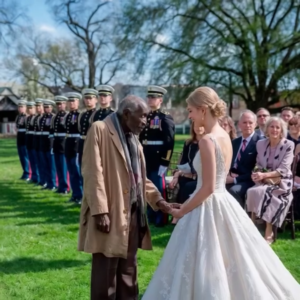
I have always shared a deep and unbreakable bond with my daughter, Emily. From the moment she was born, she brought a kind of light into my life that is difficult to describe in words.
She had her mother’s smile and her quiet determination, and from an early age she showed a sensitivity that made her both compassionate and strong.
I never imagined that I would one day have to raise her without her mother by my side. But life, as it often does, changed in an instant.
When Emily was just fifteen years old, her mother passed away suddenly. The loss was devastating. For Emily, it meant losing the person she confided in about school, friendships, and dreams for the future.
For me, it meant losing my partner — the person who balanced me, guided me, and shared in the everyday joys and challenges of parenting. Overnight, our world shifted.
Those first months were a blur of grief and adjustment. I quickly realized that I had to become more than just a father. I had to learn how to be emotionally present in ways I had not always been before.
I had to listen more carefully, notice subtle changes in her mood, and create space for conversations that might once have felt uncomfortable.
I had to take on responsibilities that her mother once handled with grace — from school meetings to helping her navigate the complexities of adolescence.
It was not easy. There were nights when I lay awake wondering whether I was doing enough. There were moments when I saw sadness in her eyes and felt helpless.
But through all of it, Emily and I leaned on each other. We developed routines that grounded us — Sunday breakfasts together, evening walks, and quiet talks at the kitchen table. Slowly, we found a new rhythm. It wasn’t the same as before, but it was ours.
Over time, our relationship grew even stronger. We learned to communicate openly. We respected each other’s space but remained deeply connected.
I watched her grow from a grieving teenager into a thoughtful and resilient young woman. When she graduated, I felt a pride so profound it nearly brought me to tears. Her strength through adversity reminded me daily of her mother’s courage.
A few years later, after much reflection and hesitation, I decided to open my heart again. Loneliness can settle deeply after loss, and while I would never replace my late wife, I knew that companionship is part of a full life. That is when I met Linda.
Linda was warm, intelligent, and independent. She had her own story — she, too, had experienced hardship and was raising a daughter, Jesse, from a previous relationship.
Jesse was close in age to Emily, though their personalities were quite different. When Linda and I married, we hoped to create a blended family built on understanding and mutual respect.
At first, everything appeared harmonious. We shared meals, celebrated holidays, and tried to establish traditions that included everyone.
Emily was polite and respectful toward Linda and Jesse. Linda made efforts to connect with Emily, inviting her to join in outings and family activities.
But as time passed, I sensed an undercurrent of tension. It wasn’t overt conflict. There were no loud arguments or obvious disagreements. Instead, it was subtle — a change in tone, a certain distance at the dinner table, moments of silence that felt heavier than they should have.