The image of fingernails darkened by dirt often sparks an immediate reaction. For many people, the first thought is simple: unclean nails must mean poor hygiene.
That assumption is understandable. From early childhood, most of us are taught that washing our hands is essential for staying healthy.
Parents, teachers, and healthcare professionals emphasize the importance of scrubbing thoroughly, cleaning beneath the nails, and preventing the spread of germs.
Public health campaigns consistently reinforce the same message: proper hand hygiene reduces the risk of infection and protects both individuals and communities.
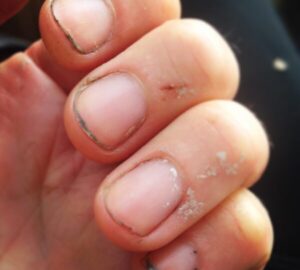
Scientific evidence supports this guidance. Germs, bacteria, and other microorganisms can accumulate under fingernails, particularly when hands are not washed regularly.
Because fingernails create small spaces where debris can become trapped, they can harbor microbes if not properly cleaned.
In settings such as hospitals, kitchens, schools, and offices, maintaining clean hands is especially important. In these environments, visible dirt under nails may reasonably raise concerns about sanitation.
As a result, in many everyday social and professional settings, clean nails are viewed as a sign of personal responsibility and self-care.
They suggest that someone takes time to look after their health and appearance. In formal workplaces, at job interviews, or during social gatherings, well-groomed hands are often interpreted as part of overall professionalism.
When a person has easy access to soap, water, and grooming tools but repeatedly neglects basic hygiene, it can indeed indicate carelessness.
However, that initial impression does not always tell the full story. Darkened or dirt-stained nails are not automatically evidence of neglect. In many cases, they are the natural result of hard, honest work.
The Role of Hygiene in Health
Before exploring the broader context, it is important to acknowledge that hygiene truly matters. Clean hands are one of the most effective defenses against the spread of illness.
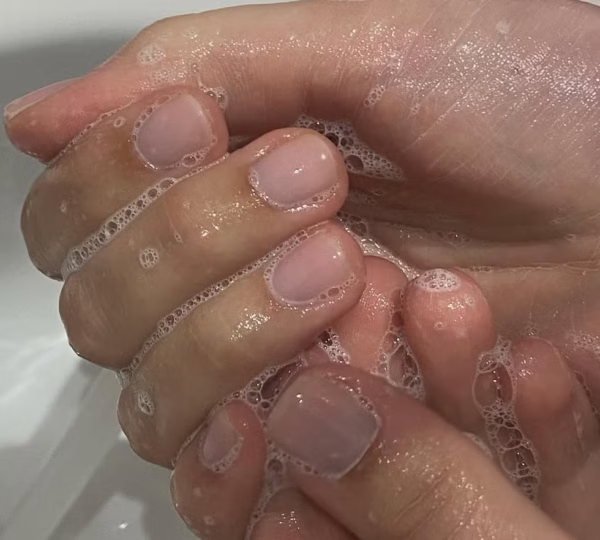
According to widely accepted medical guidance, proper handwashing with soap and water can significantly reduce the transmission of viruses and bacteria.
This is especially important after using the restroom, before preparing food, after handling raw meat, after coughing or sneezing, and after contact with potentially contaminated surfaces.
Healthcare workers, food service employees, and caregivers follow strict hygiene standards for good reason. In these fields, visible dirt under fingernails can present a genuine health risk.
Long or unclean nails may increase the likelihood of transmitting harmful microorganisms. In such environments, expectations around cleanliness are both practical and necessary.
In daily life, too, personal grooming influences how others perceive us. Cleanliness can affect confidence, social interactions, and professional opportunities.
Maintaining trimmed and clean nails is generally considered a small but meaningful detail of personal presentation.