The call hit during a briefing that should’ve been uninterruptible. Phones stay silent in those rooms—rank, responsibility, protocol. But Leo has one rule: if he calls three times in a row, I answer. So when my pocket buzzed three times in sharp succession, I stepped into the hallway without a second thought.
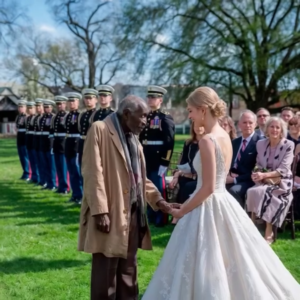
Piece by piece, the story came out. He’d shown his class a photo of us from my promotion ceremony. He’d said—proudly, innocently—that his father was a General. And instead of acknowledging it, his teacher brushed him off. Claimed he must’ve misunderstood. Insisted the photo was “just a costume.” When he tried to explain, she cut him off, corrected him in front of everyone, and sent him to the principal’s office for being “disruptive.”
“My principal said you’re probably busy,” he whispered.
“I was,” I said. “But nothing is more important than you.”
I walked back into the briefing room just long enough to inform my superior I had to leave. One look at my face and he didn’t ask for details.
By the time I hit the parking lot, I’d already shut out everything but the mission at hand. I didn’t change—I didn’t have the emotional bandwidth for that. I got in my car in full Dress Blues, medals polished, ribbons aligned, insignia unmistakable.
People think the uniform is about authority. It’s not. It’s about responsibility. And right then, my responsibility was a ten-year-old boy with tear-stained cheeks sitting in a school office, trying to understand why an adult didn’t believe him.
When I walked into the school, the front desk staff straightened up reflexively. I’m used to that reaction, but I wasn’t there to impress anyone. I asked for the principal, and within minutes we were walking down the hallway toward Leo’s classroom. Every student we passed fell silent. Teachers stopped mid-sentence. Shock tends to do that.