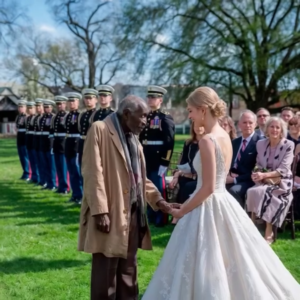
At first glance, letting one’s hair go gray naturally seems like a purely personal choice. No rules are broken. No words are spoken. And yet, people who stop dyeing their hair—especially women—often notice something unexpected: discomfort in others. Awkward comments. Unsolicited advice. Subtle judgment. Sometimes even irritation.
Why does such a quiet decision provoke such strong reactions?
The answer lies less in hair color and more in psychology, social norms, and unspoken fears.
Gray Hair Disrupts the Illusion of Control
Modern culture is deeply invested in the idea that aging can—and should—be managed. Wrinkles are smoothed, hair is dyed, bodies are reshaped. These practices create a comforting illusion: that time is negotiable if we work hard enough.
When someone allows their hair to go gray naturally, they quietly refuse this illusion. They are no longer participating in the collective effort to hide time’s passage. For observers, this can feel unsettling. It reminds them—often unconsciously—that control is limited, and aging is inevitable.
Discomfort arises not because gray hair is unattractive, but because it exposes a truth many prefer not to confront.
It Challenges Social Expectations, Especially for Women
Gray hair is not judged equally across genders. On men, it is often framed as “distinguished” or “experienced.” On women, it is more likely to be interpreted as neglect, decline, or a lack of effort.