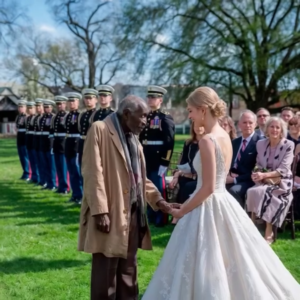
At my son’s wedding, I froze.
I watched as my wife was shoved into the mud, and before I could even move, I heard my daughter-in-law laugh.
“Don’t act like that just to steal the spotlight.”
Anger surged through me—along with shame. I said nothing. From that moment on, I fell silent. And I began to prepare.
No one noticed the change. But when the consequences of her cruelty finally arrived, her scream echoed through the hall—and by then, it was far too late.
The wedding looked perfect from the outside. An elegant estate near Toledo, expensive flowers, soft music, well-dressed guests. I stood beside my wife, Elena, proud and nervous like any father.
Then it happened.
It was fast—a sharp shove, clumsy enough to look accidental, deliberate enough not to be. Elena lost her balance and fell into the mud beside the garden path. Her pale dress darkened instantly.
Time stopped.
Before I could reach her, Clara laughed. Not awkwardly. Not nervously. Cleanly. Without guilt.
“Don’t make a scene just to steal attention,” she said, looking down at Elena.
I felt something burn in my chest. Rage, yes—but also humiliation. For not reacting sooner. For being surrounded by people who pretended not to see. I searched for my son, Daniel, hoping for a word, a gesture.
He looked away.
I helped Elena up. Neither of us spoke. Her hands were shaking. No one apologized. Clara walked on, surrounded by forced laughter, as if nothing had happened.
That was the moment I chose silence.
During the reception, I watched carefully. I noticed how Clara spoke to the staff, how she corrected Daniel in front of others, how her jokes always cut. No one confronted her. Not even me. But something inside me had shifted.
That night, while everyone celebrated, I made a quiet decision. I wouldn’t react impulsively. I wouldn’t confront her emotionally. I would prepare.