My name is Laura Martínez, I am thirty-four years old, and the betrayal that changed my life did not arrive like a sudden explosion.
It crept in quietly, like a fracture spreading beneath the surface of something you believe is solid—until one day, it collapses beneath your feet.
When Javier, my husband of eleven years, told me he wanted a divorce, he spoke as if he had rehearsed the moment many times before. His voice was calm, detached, almost gentle. He said he felt “empty,” that he needed to “find himself,” that our life no longer fulfilled him. He avoided my eyes while I cried. I asked what I had done wrong. I asked if there was someone else. He shook his head and said no, which was the first lie I caught—and the least painful one.
The truth arrived two weeks later, accidentally, through a message that was never meant for me.
It came from my mother.
Her name is Carmen, the woman who raised me alone after my father died, the person I trusted more than anyone else in the world. The message read:
Sweetheart, I told Laura about the divorce today. Soon we’ll be able to be together without lies.”
For a long moment, I couldn’t breathe. I read it again and again, convinced my mind was misinterpreting the words. But there was no misunderstanding. My mother and my husband were together. Not briefly. Not recently. Long enough to talk about “finally” being honest.
My mother said love has no age, no rules, no boundaries. Javier said I no longer made him happy.
Neither of them apologized. Neither of them showed shame. They acted as if I were an obstacle that had finally been removed.
The family fractured immediately. Some relatives avoided me entirely. Others told me I should accept it, forgive, move on. “Why destroy yourself over something that’s already happened?” they asked, as if betrayal were a natural disaster instead of a choice.
The divorce moved quickly. Coldly. I lost the house I had lived in for a decade. I lost friendships that didn’t want to “take sides.” And I lost my mother—who stopped calling as if I had died.
Three months later, an envelope arrived.
An invitation.
Their wedding.
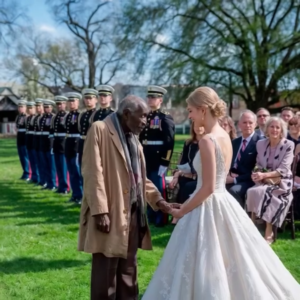
Javier and Carmen were getting married in a small civil ceremony at the town hall. Nothing extravagant. Quiet. Respectable. As if nothing scandalous had happened at all.
Everyone assumed I wouldn’t attend. I assumed it too—for a while.
But while people encouraged me to forget the past, I did the opposite. I began sorting through documents I had ignored for years. Bank statements. Old emails. Contracts I had signed without reading because I trusted my husband. Dates that didn’t align. Transfers that made no sense.
I wasn’t searching for revenge. I was searching for clarity.
What I found changed everything.
For years, Javier had handled our finances, including a small business we had built together. While reviewing records, I discovered loans taken out in his name—but guaranteed by documents I had signed. The money never went into the business. It was transferred to an account in my mother’s name.
My mother—the woman who claimed she had nothing.
That money paid for her apartment. Her car. Her lifestyle.
I contacted a lawyer, Miguel Ortega, who listened quietly and then explained that this wasn’t just betrayal—it was fraud. Financial abuse. Embezzlement.
We gathered evidence. Organized timelines. Filed a formal complaint weeks before the wedding.
I told no one.