Summertime invites us outdoors, but it also brings an unwelcome surge of insects—ticks, mosquitoes, and other biting pests that thrive in warm weather. Just when it feels like we already have enough to worry about, another insect has begun drawing attention: the assassin bug. Many people have never heard of it, yet its population is increasing in parts of the United States, and its bite can carry serious health risks. Understanding what this insect is and how it behaves can make a critical difference if you or someone close to you is bitten.
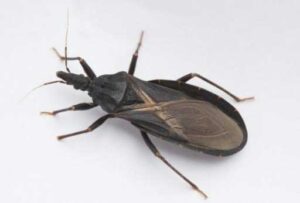
Assassin bugs—often called kissing bugs—feed on the blood of humans and animals, much like mosquitoes or ticks. What makes them particularly concerning is what happens after they bite. These insects often defecate near the bite site, and their feces can contain parasites. If those parasites enter the body through broken skin or mucous membranes, they can transmit Chagas disease, a potentially life-threatening infection.
Chagas disease does not always cause immediate or obvious symptoms. In the early stages, some people may experience headaches, fever, rashes, vomiting, or unexplained fatigue. Others may feel nothing at all. Unfortunately, the absence of symptoms does not mean the infection is harmless. Over time, untreated Chagas disease can begin to damage vital organs, particularly the heart, leading to serious and sometimes fatal complications years later.
Assassin bugs are found across much of the United States but are more commonly reported in southern regions. They tend to live outdoors, hiding in gardens, woodpiles, under porches, or in piles of debris. In some cases, they can make their way inside homes, especially if there are cracks, gaps, or cluttered areas that provide shelter.
Preventing assassin bugs from settling near your home starts with simple habits. Regularly clearing away leaves, wood, and other debris reduces hiding places. Sealing cracks around windows, doors, and foundations can help keep them from entering indoors. Keeping sleeping areas clean and well-sealed is especially important, as these insects are most active at night.