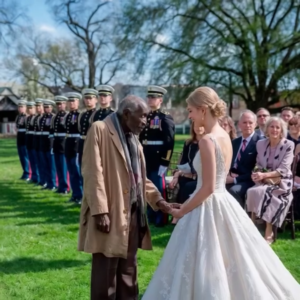
The grocery store was loud and impatient that evening, the kind of place where everyone seemed to be rushing past one another. I was waiting in line when I noticed an elderly man at the checkout ahead of me. He moved slowly, carefully placing a loaf of bread, a jar of peanut butter, and a small carton of milk onto the belt. When his card was declined, the sound felt too sharp for such a quiet moment. He tried again, then softly suggested putting items back, his shoulders folding inward as if he wanted to disappear. The people behind him sighed, someone muttered something unkind, and I felt that familiar ache—the one that comes from watching dignity slip away in public. Before he could reach for his groceries, I stepped forward and told the cashier I’d cover it. I added a small chocolate bar, something sweet, and handed him the bag. His gratitude was quiet and overwhelming, the kind that lingers long after words are gone.
I didn’t think much of it afterward. Life moved on—dinners to make, children to care for, the steady hum of responsibilities waiting at home. That moment felt like a small kindness in a very busy world, nothing more. Two mornings later, though, a knock came at my door—firm, intentional. A woman stood outside, neatly dressed, her expression composed but urgent. She asked if I was the person who had helped an elderly man at the grocery store. When I said yes, she introduced herself as his granddaughter and explained that her grandfather had asked to see me. He wasn’t well, she said gently, and it was important to him. The weight of her words settled quickly, and after a brief pause, I agreed to go.