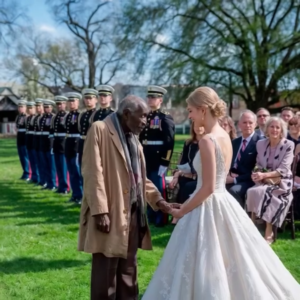
For decades, the Willis family has captured admiration not just because of Bruce Willis’s iconic career, but because of the genuine closeness and warmth they consistently displayed as a family. Long before social media brought celebrity lives into everyday view, the Willises stood out for something quieter, more enduring: loyalty, affection, and visible care for one another. They appeared together on red carpets, shared candid glimpses in interviews, and spoke openly about the importance of love and mutual respect. That authentic connection made fans feel invested in them not merely as stars, but as real people.
In recent years, however, their story has taken a different, more intimate turn. When Bruce Willis stepped away from acting due to cognitive health concerns, the public perception of the family shifted. What had once been the narrative of an unstoppable action star transformed into something deeply human: a family learning to navigate change, uncertainty, and caregiving together.
Bruce Willis’s retirement was far more than a career decision; it represented a profoundly personal turning point for everyone close to him. The family issued a statement that was measured and thoughtful, expressing gratitude for years of support while requesting privacy as they adjusted to this new reality. By sharing the news at all, they opened the door to a wider conversation about cognitive health, the responsibilities of caregiving, and the resilience required to face such challenges as a family.
For more than three decades, Bruce Willis has been a defining presence in modern cinema. From Die Hard to Pulp Fiction, The Sixth Sense, and Armageddon, his performances showcased versatility, charisma, and a compelling mix of strength and humor. For audiences worldwide, he represented a reliable and captivating presence on screen. That made the announcement of his diagnosis all the more poignant, reminding fans that even icons are human and vulnerable to illness.
When the family later revealed that Bruce had been diagnosed with frontotemporal dementia, the response was immediate and overwhelmingly supportive. Messages of compassion poured in from colleagues, fans, and fellow actors. Many praised the family for their openness, recognizing how challenging it must have been to make such personal news public. Rather than sparking speculation, their transparency encouraged empathy and understanding.
Caring for a loved one experiencing cognitive change is complex, extending far beyond medical appointments. It affects daily routines, communication patterns, emotional stability, and family dynamics. Loved ones may grieve subtle losses even while the person they care for remains present, balancing sadness with enduring commitment and love.
Families navigating these circumstances experience a wide range of emotions: sorrow for the changes, stress from new responsibilities, and fatigue from the constant need to adjust. Relationships shift as roles evolve, and patience becomes less a virtue reserved for special occasions than a daily necessity. Above all, there is a shared determination to preserve dignity, comfort, and connection for the loved one at the center of it all.